




Education has always evolved alongside technology. From chalkboards to smartboards, from printed textbooks to digital platforms, each shift has reshaped how knowledge is delivered and absorbed. Today, artificial intelligence is driving the most transformative change yet. AI is not simply digitizing education — it is redefining how students learn, how teachers teach, and how institutions measure understanding.
Four major developments illustrate this transformation: personalized learning, AI tutors, exam integrity systems, and the emergence of future classrooms.
Personalized Learning: Education Tailored to the Individual
For centuries, education has followed a standardized model. One teacher, one curriculum, one pace — applied to dozens of students with varying abilities, interests, and learning speeds. While effective for large-scale instruction, this approach often leaves some students behind and fails to challenge others.
AI introduces a new possibility: learning pathways tailored to each individual.
How AI Enables Personalization
AI systems analyze:
Student performance data
Quiz results and assignments
Learning pace
Behavioral patterns
Areas of confusion or mastery
Using machine learning algorithms, these systems adapt content in real time. If a student struggles with algebraic equations, the platform can provide additional exercises, alternative explanations, or interactive simulations. If another student masters the material quickly, the system can introduce advanced topics.
This dynamic adjustment transforms education from static delivery to adaptive guidance.
Benefits of Personalized Learning
Reduced learning gaps
Higher engagement
Improved retention
Better academic outcomes
Increased student confidence
Personalized learning also supports students with learning differences. AI tools can adjust reading levels, provide speech-to-text assistance, or break down complex concepts into manageable steps.
However, personalization must remain balanced. Education is not merely about content consumption — it is also about collaboration, debate, and shared intellectual growth.
AI Tutors: On-Demand Academic Support
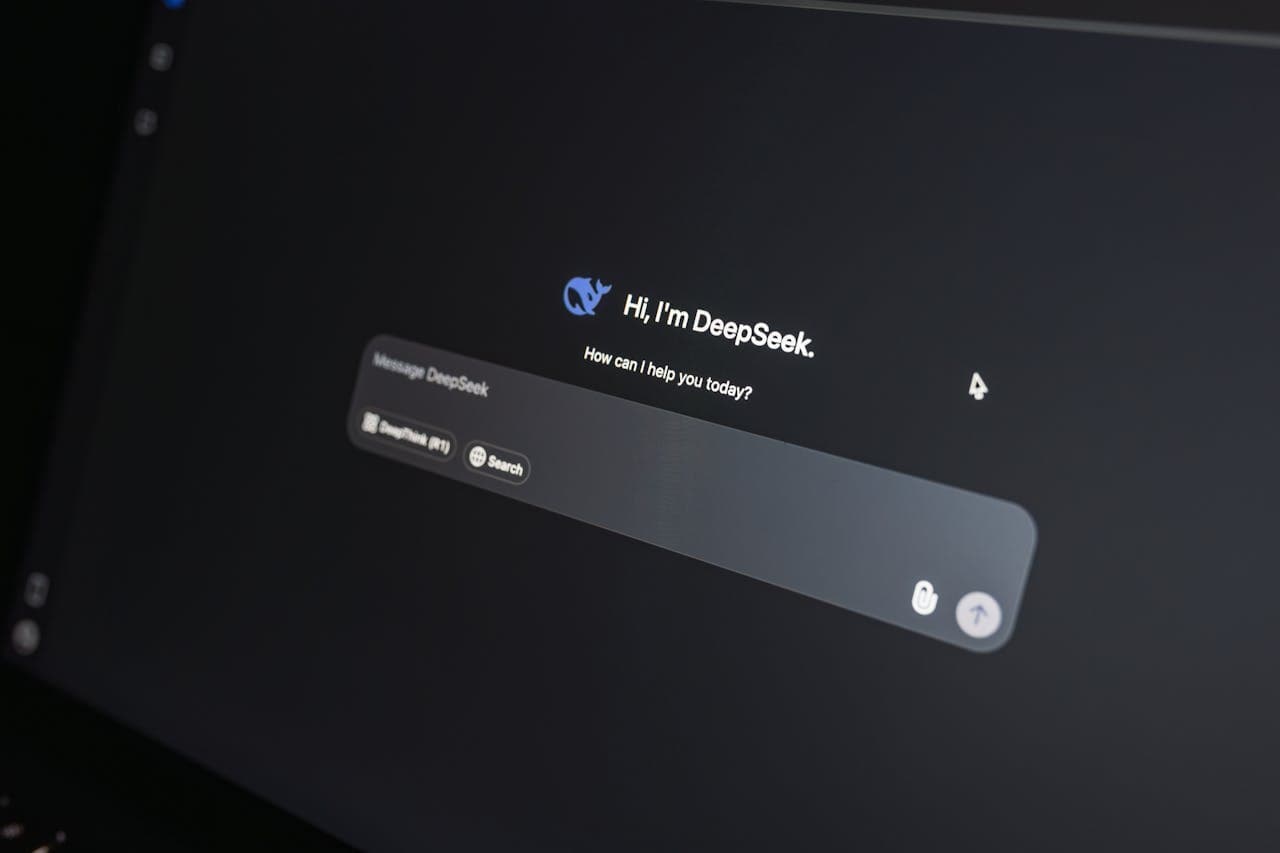
One of AI’s most visible impacts in education is the rise of AI-powered tutors. These systems provide instant academic assistance, anytime and anywhere.
What AI Tutors Can Do
AI tutors can:
- Explain difficult concepts
- Solve practice problems step-by-step
- Provide writing feedback
- Translate content
- Generate study plans
- Simulate exam questions
Unlike traditional tutoring, AI assistance is available 24/7. Students no longer need to wait for office hours or external support.
Expanding Access to Education
AI tutors can significantly reduce educational inequality. Students in remote or under-resourced regions gain access to high-quality explanations and learning support. Language barriers become less restrictive through instant translation tools.
In theory, AI tutoring democratizes knowledge.
The Human Element
Despite their advantages, AI tutors cannot fully replace human educators. They lack:
- Emotional awareness
- Deep mentorship
- Moral guidance
- Contextual understanding of a student’s life
A teacher recognizes when a student is discouraged, distracted, or overwhelmed. AI can detect patterns in performance data, but it does not truly understand human emotion.
The ideal model combines AI tutoring for practice and reinforcement with human teachers for mentorship and inspiration.
Exam Integrity in the Age of AI
As AI tools become more powerful, academic integrity faces new challenges. Students can use AI to generate essays, solve assignments, or answer exam questions. This raises serious concerns for educators.
The question is no longer whether students can use AI — but how institutions should respond.
AI as a Threat to Integrity
Concerns include:
- AI-generated essays submitted as original work
- Automated solutions for homework
- Real-time assistance during online exams
- Difficulty distinguishing human writing from AI output
- Traditional plagiarism detection tools are often insufficient because AI generates original text rather than copying existing sources.
AI as a Solution
Ironically, AI also offers solutions to these challenges:
- Advanced detection systems analyze writing patterns, coherence, and metadata.
- Proctoring software monitors behavior during online exams.
- Biometric verification ensures identity authentication.
- However, overreliance on surveillance technologies raises privacy concerns.
Rethinking Assessment
Perhaps the most important shift is pedagogical rather than technological. Instead of focusing solely on memorization-based exams, institutions may move toward:
- Oral examinations
- Project-based assessments
- Collaborative problem-solving
- Real-world application tasks
In a world where AI can generate answers, education must emphasize critical thinking, originality, and reasoning.
The Future Classroom: A Hybrid Learning Ecosystem
The classroom of the future will likely blend physical and digital environments in ways that redefine traditional teaching.
Smart Classrooms
AI-powered systems may:
Track student engagement
Provide real-time feedback to teachers
Identify struggling learners
Recommend targeted interventions
Interactive displays, augmented reality tools, and virtual simulations could bring complex subjects to life.
Imagine biology students exploring a 3D virtual cell structure, or history students walking through an immersive reconstruction of ancient civilizations.
Data-Driven Teaching
AI analytics help educators identify trends:
Which lessons are most effective
Where students consistently struggle
Which teaching strategies improve outcomes
This data allows teachers to refine their methods continuously.
Global Learning Communities
AI translation tools break language barriers, enabling cross-border collaboration. Students from different countries can work together seamlessly, expanding cultural understanding and global awareness.
Challenges and Ethical Considerations
Despite its promise, AI in education introduces complex ethical questions.
1. Data Privacy
Educational AI systems collect vast amounts of student data. Protecting this information from misuse or breaches is essential.
2. Bias in Algorithms
If AI systems are trained on biased datasets, they may reinforce inequalities. Fairness in assessment and recommendation systems is critical.
3. Overdependence on Technology
Excessive reliance on AI could reduce independent thinking. Students must learn to use AI as a tool — not a crutch.
4. Teacher Displacement Fears
While AI enhances teaching efficiency, concerns remain about job displacement. In reality, the role of teachers is more likely to evolve rather than disappear.
The Changing Role of Educators
AI will not eliminate teachers — but it will change what teaching looks like.
Instead of spending hours grading papers or preparing repetitive materials, teachers can focus on:
Mentorship
Critical discussion
Creativity
Emotional development
Ethical guidance
Educators may become learning architects — designing experiences rather than merely delivering information.
Skills for an AI-Driven Educational Era
As AI reshapes classrooms, students must develop new competencies:
Critical thinking
Digital literacy
Ethical reasoning
Collaboration skills
Adaptability
AI fluency
Understanding how to question, interpret, and responsibly use AI will become as fundamental as reading and mathematics.
Conclusion: A Collaborative Future
AI in education represents both opportunity and responsibility. Personalized learning platforms can adapt to individual needs. AI tutors expand access to academic support. Integrity systems evolve to address new challenges. Classrooms transform into intelligent learning ecosystems.
Yet education is more than efficiency and performance metrics. It is about curiosity, empathy, growth, and human connection.
The future classroom will not be dominated by machines. Instead, it will be shaped by collaboration — where artificial intelligence enhances human intelligence rather than replacing it.
The real transformation is not technological alone.
It is educational, ethical, and deeply human.
As we move forward, the most important lesson may be this: AI can provide answers — but it is still up to humans to ask the right questions.